A Symphony of Spices: Unveiling the Rich Diversity of Indian Food Culture
Indian cuisine is a vibrant tapestry woven with a rich variety of flavors, spices, and culinary traditions. From the northern Himalayas to the southern coasts, each region boasts its own unique gastronomic identity. This diversity is a reflection of India's rich cultural heritage, historical influences, and geographic variety. Let's embark on a culinary journey through India and explore the symphony of spices that defines its food culture.
1. The Essence of Indian Spices
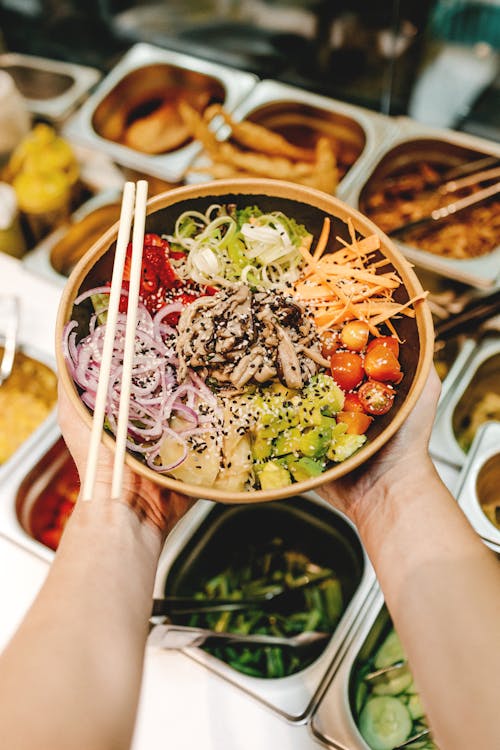
At the heart of Indian cuisine lies its extensive use of spices. Spices are not merely for heat but are essential for adding depth and complexity to dishes. Cumin, coriander, turmeric, and cardamom are just a few examples of the myriad spices that form the foundation of Indian cooking. Each spice has a distinct flavor and health benefits, contributing to the overall sensory experience.
2. North Indian Delicacies
North Indian cuisine is characterized by its rich, creamy curries and hearty dishes. The use of dairy products like yogurt, cream, paneer, and ghee (clarified butter) is prevalent. Signature dishes such as butter chicken, rogan josh, and various kebabs highlight the use of aromatic spices and slow-cooking techniques. Bread varieties like naan, roti, and paratha are staples in this region.
3. The Flavors of South India
South Indian cuisine is a celebration of rice, lentils, and coconut. The food is known for its tangy, spicy, and aromatic flavors. Dishes like dosa, idli, sambar, and rasam are popular breakfast options. Coconut is a common ingredient, used in various forms such as grated, milk, and oil. The use of tamarind and curry leaves adds a distinct tang and aroma to the dishes.
4. The Vibrant East Indian Cuisine
Eastern India, particularly Bengal, is famous for its delicate balance of sweet and savory flavors. Fish and seafood play a significant role, with dishes like macher jhol (fish curry) and prawns malai curry being regional favorites. Bengali cuisine also includes an array of sweets such as rasgulla, sandesh, and mishti doi, which are an integral part of celebrations and rituals.
5. Western India: A Culinary Melting Pot
The cuisine of Western India is as diverse as its geography. Gujarat offers a variety of vegetarian delights like dhokla, thepla, and undhiyu, which are both nutritious and flavorful. Maharashtra’s street food culture, with vada pav, pav bhaji, and bhel puri, is immensely popular. Goa, with its Portuguese influence, presents a unique blend of flavors with dishes like vindaloo and bebinca.
6. The Art of Indian Sweets
Indian desserts, known as mithai, are a crucial part of the culinary landscape. Made from ingredients like milk, sugar, and ghee, and flavored with cardamom, saffron, and nuts, these sweets are often associated with festivals and special occasions. Favorites include gulab jamun, jalebi, and barfi, each offering a delightful end to any meal.
7. The Ubiquitous Indian Thali
The Indian thali is a complete meal that offers a variety of dishes on a single platter. It typically includes a combination of rice, bread, lentils, vegetables, chutneys, and a sweet dish. Each region has its own version of the thali, showcasing the diversity of Indian cuisine and the balance of flavors and nutrition.
8. Street Food: The Soul of Indian Cuisine
Indian Street Food is an essential part of its food culture. Every city boasts its own iconic street foods, from the chaat of Delhi to the pani puri of Mumbai and the dosas of Chennai. These snacks are not just about quick bites; they represent the creativity and resourcefulness of Indian culinary traditions.
9. The Influence of Ayurveda
Ayurveda, the ancient Indian system of medicine, has a significant influence on Indian cooking. The principles of Ayurveda emphasize balance and harmony, and this is reflected in the use of spices and ingredients that are believed to have healing properties. Foods are categorized based on their effects on the body and mind, aiming to maintain overall health and well-being.
10. The Rituals and Traditions of Indian Cooking
Indian cooking is deeply intertwined with rituals and traditions. From the preparation of prasad (sacred food offerings) during religious festivals to the ceremonial meals prepared for weddings and other special occasions, food plays a central role in cultural and religious practices. These traditions have been passed down through generations, preserving the essence of Indian culinary heritage.
11. Indian Cuisine Goes Global
The flavors of Indian cuisine have crossed borders and found popularity worldwide. Indian restaurants and food trucks can be found in cities across the globe, offering everything from traditional dishes to modern fusion creations. The global appeal of Indian Food is a testament to its rich, diverse, and adaptable nature.
12. Embracing Indian Food Culture
Embracing Indian food culture means appreciating the depth and diversity of its culinary traditions. It involves understanding the significance of spices, the regional variations, and the cultural and historical contexts that shape the cuisine. Whether you are a seasoned enthusiast or a curious newcomer, exploring Indian food is a journey that promises endless discovery and delight.
Conclusion
Indian food culture is a symphony of spices, flavors, and traditions that come together to create a rich and diverse culinary landscape. Each region, each dish, and each spice tells a story of history, culture, and community. By delving into this world, we not only satisfy our taste buds but also gain a deeper understanding of the essence of India itself. So, let your culinary journey begin, and savor the myriad delights that Indian cuisine has to offer.
Address: 8194 23 Mile Rd Shelby Township, MI 48316
Phone: (586) 932-6111


Comments
Post a Comment